
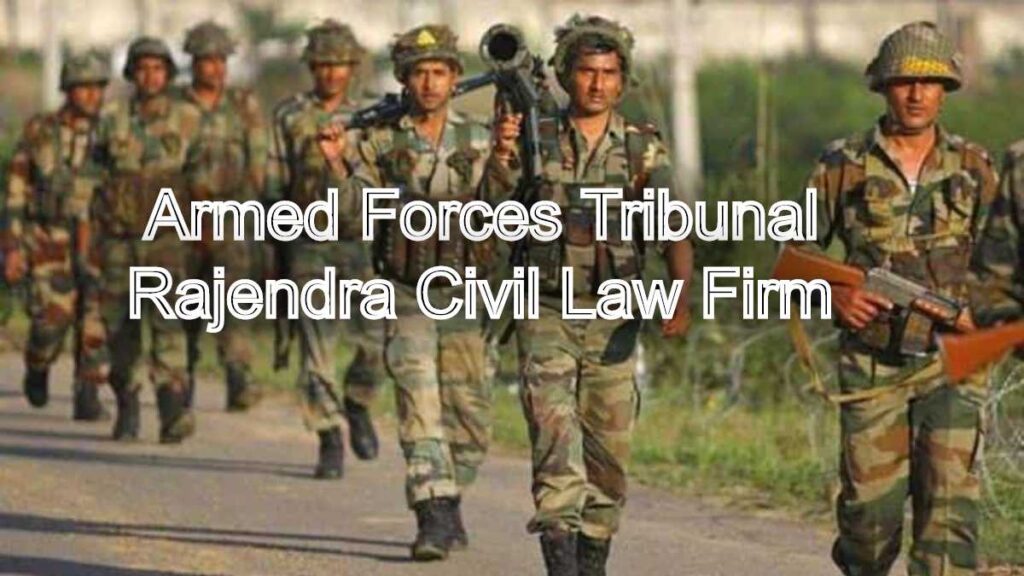
The Armed Forces Tribunal (AFT) is a specialized legal body. It was established under the Armed Forces Tribunal Act, 2007. Therefore, it has a distinct and crucial role. The tribunal handles disputes and appeals for personnel of the Army, Navy, and Air Force. It provides a dedicated platform for resolving their grievances. Before the AFT, these matters were often heard in High Courts. This created delays and complications. Now, consequently, the AFT ensures a quicker, more efficient resolution process. Its purpose is to provide speedy and affordable justice. It addresses service matters and court-martial appeals. Thus, it is a vital judicial institution. It upholds the rights of those who serve the nation. It represents a significant legal reform. Consequently, it strengthens the military justice system.
Your Trusted Legal Partner: Understanding the Armed Forces Tribunal
Understanding the AFT’s Jurisdiction and Powers
The AFT’s jurisdiction is twofold. Firstly, it has original jurisdiction over service matters. This means it can hear new cases from the very beginning. These matters include issues of appointment, pay, promotions, and retirement benefits. For instance, a soldier might dispute their promotion record. Likewise, an officer could challenge their pension calculation. AFT has the authority to adjudicate these disputes. It provides an exclusive forum. Before the AFT, a person had to file a writ petition in a High Court. This process was cumbersome. Furthermore, the AFT also has appellate jurisdiction. In fact, it acts as a court of appeal for court-martial proceedings. A person convicted by a court-martial can appeal to the AFT. It can review the findings, orders, or sentences of the court-martial. This power is significant. The AFT can even quash a conviction. It may also commute a sentence. It can further release an accused on bail. Thus, its powers are comprehensive. They are designed to ensure justice and fairness. The tribunal’s powers are derived directly from the Armed Forces Tribunal Act.
The Legal Process: Filing a Petition
The legal process in the AFT begins with filing an application. This is a formal petition. The application must detail the facts of the case. It should also state the specific relief sought. For example, a petitioner might ask for a promotion to be granted. They might also seek a specific pension benefit. The petition must be filed in the correct regional bench. The AFT has multiple benches across India. A petitioner must choose the bench with the appropriate territorial jurisdiction. The application must be filed within the specified limitation period. This is a strict deadline. A delay could lead to the petition being dismissed. All supporting documents must also be attached. These can include official letters, service records, and orders. The process must follow the Armed Forces Tribunal (Procedure) Rules, 2008. Therefore, having a lawyer is crucial. A lawyer ensures that all procedural requirements are met. It prevents technical dismissals. It also strengthens the case on its merits.
The Role of a Lawyer: Your Legal Partner
A lawyer’s role is indispensable in AFT cases. Military law is a highly specialized field. Consequently, it requires deep expertise. A civilian lawyer might not understand the nuances of military law. A civil advocate, however, can provide comprehensive legal support. A seasoned lawyer will first analyze your case. They will provide a candid assessment of its merits. Furthermore, they will draft the petition meticulously. This ensures all legal and factual points are covered. They will also collect and organize the evidence. A lawyer will then represent you during the hearings. They will present arguments before the bench. They will also cross-examine witnesses. Consequently, a good lawyer becomes your trusted legal partner. They navigate the complex legal system for you. Understand the protocols of the tribunal. They also know the precedent of previous judgments. Therefore, a lawyer’s assistance significantly increases your chances of a favorable outcome. In fact, a lawyer’s expertise can be the difference between success and failure.
Interim Reliefs and the Adjudication Process
The AFT can grant interim reliefs. These are temporary orders. They are meant to protect a petitioner’s interests while the case is ongoing. For instance, an interim order might prevent a person’s discharge from service. It could also stop the recovery of a certain amount of money. To get an interim order, a petitioner must show a strong prima facie case. This means there is a good chance the case will succeed. They must also show that they would suffer irreparable harm without the order. The tribunal will then proceed to hear the full matter. Both sides will present their arguments. The tribunal may ask for additional documents. It could also call for further evidence. The proceedings are quasi-judicial in nature. This means they are not as formal as a traditional court. However, all legal principles are strictly followed. A decision is typically rendered by a two-member bench. The bench comprises a Judicial Member and an Administrative Member. This composition ensures a balance of legal and military expertise. The proceedings aim to be fair and transparent.
Judgments, Appeals, and the Supreme Court
After hearing the arguments, the AFT delivers its judgment. The judgment can take various forms. The tribunal can allow the petition. It can grant the requested relief. It may also dismiss the petition. The judgment is a final order. However, an aggrieved party can appeal the decision. The appeal process is complex. First, the AFT itself must certify that the case involves a “point of law of general public importance.” If the tribunal provides this leave to appeal, the case can go to the Supreme Court. However, even without this certification, an appeal can be filed directly in the Supreme Court. This is done through a Special Leave Petition (SLP). The Supreme Court may or may not admit the appeal. The Supreme Court’s verdict is final. Therefore, the AFT is not the last word. However, it is the primary legal forum. It provides a full and fair hearing. It also provides a comprehensive remedy. Thus, it serves as the most important step in the legal journey for armed forces personnel.
FAQs on the Armed Forces Tribunal
The AFT is a specialized legal body. Its main purpose is to provide a dedicated forum for resolving service-related disputes and appeals for personnel of the Army, Navy, and Air Force. It ensures speedy and affordable justice for these individuals, saving them from the lengthy processes of traditional High Courts.
The AFT handles a wide range of cases. It has original jurisdiction over service matters such as issues related to pay, promotions, seniority, and retirement benefits. Furthermore, it has appellate jurisdiction to hear appeals against the verdicts and sentences of military court-martial proceedings.
Any person subject to the Army Act, Navy Act, or Air Force Act can file a petition. This includes serving members, retired personnel, and even their dependents in certain cases. However, the petition must be filed within a specific limitation period to be considered valid.
Yes, a decision from the AFT can be appealed. The appeal lies with the Supreme Court of India. An appeal can be made if the AFT certifies that the case involves a “point of law of general public importance.” Even without this certification, an appeal can be filed directly with the Supreme Court through a Special Leave Petition (SLP).
While a person can represent themselves, engaging a lawyer is highly recommended. Military law is a specialized field. A lawyer ensures that all procedural rules are followed, the petition is drafted correctly, and the arguments are presented effectively. An experienced civil advocate can significantly improve the chances of a favorable outcome. 🏛️
Conclusion: A Pillar of Justice for Our Protectors
The Armed Forces Tribunal stands as a pillar of justice. It offers a structured and effective legal recourse. It provides a specialized forum. This helps military personnel to address their service grievances. The AFT’s establishment has been a significant step forward. It has provided a much-needed remedy. It has also reduced the burden on High Courts. For any armed forces personnel facing a legal issue, the AFT is the correct place to go. Navigating this legal landscape requires specialized knowledge. It demands a deep understanding of military law and procedure. Therefore, engaging an experienced legal partner is essential. Rajendra Civil Law Firm has the expertise. We are here to help. We are dedicated to serving those who serve our nation.
Read More
- Legal Expertise for Appellate Tribunal for Foreign Exchange (ATFE) Proceedings
- Legal Strategies for Winning Anti-Trust Litigation Cases
- Expert Legal Counsel for Vehicle Accident Claims
- Summary Suit: Streamlining Legal Proceedings
- From MOU to Closing: The Legal Lifecycle of a Commercial Transaction
- Armed Forces Tribunal (AFT) Official Website: